
Ranger or Everest: Calculating Your Payload
Posted in Ford Tips Advice
Ranger or Everest: how much payload is left after your everyday gear?
That canopy, set of drawers, towbar and recovery gear might be permanent fixtures on your vehicle, but they all take up valuable payload. Add the family, luggage and a few extras for the weekend, and you could have less carrying capacity left than you think.
So, how do you know what's actually available?
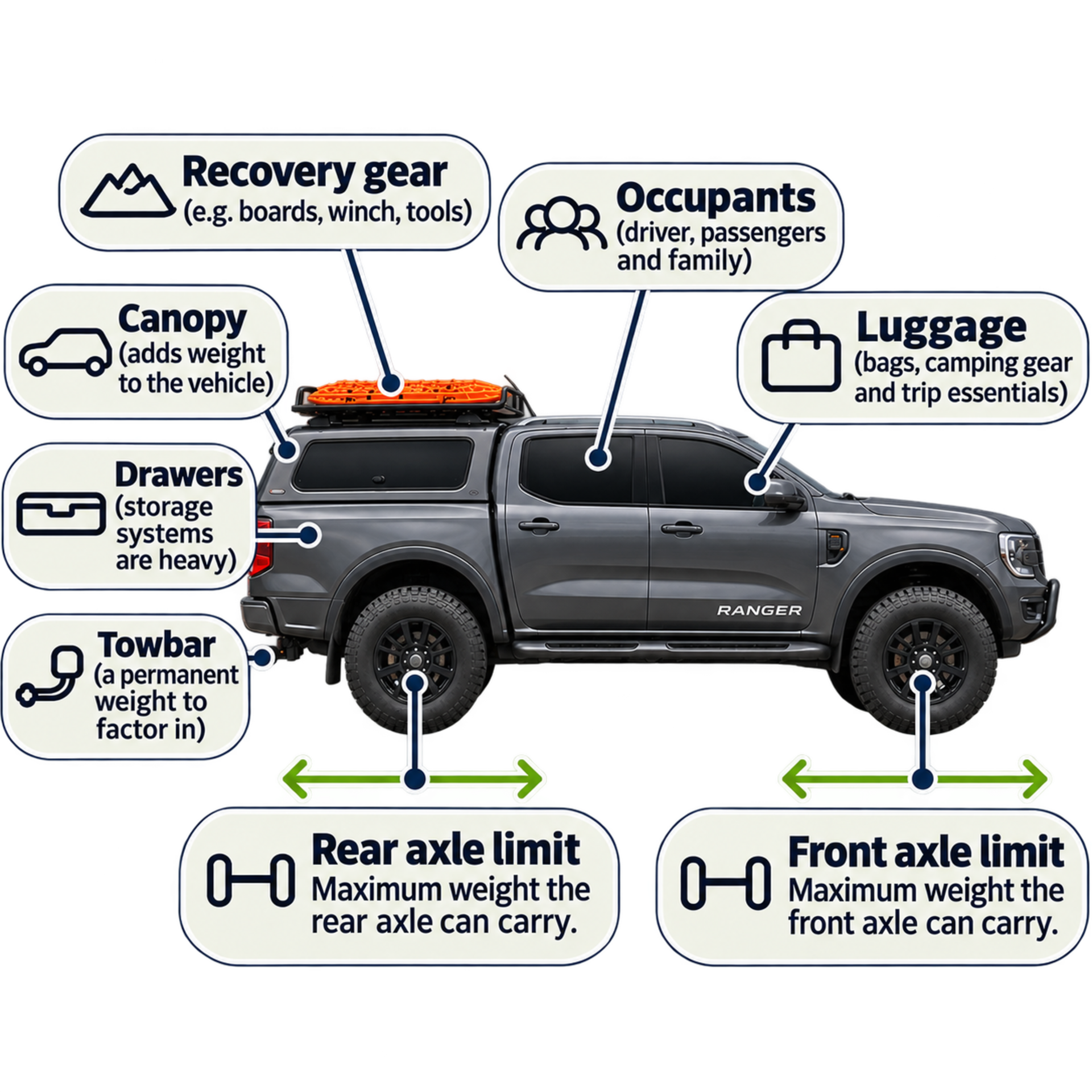
It starts with your Ranger or Everest as it sits today. By subtracting its measured current mass from its applicable gross vehicle mass (GVM), you can work out how much additional weight it can carry.
You’ll also need to consider front and rear axle limits, plus if you tow, find the applicable gross combination mass (GCM).
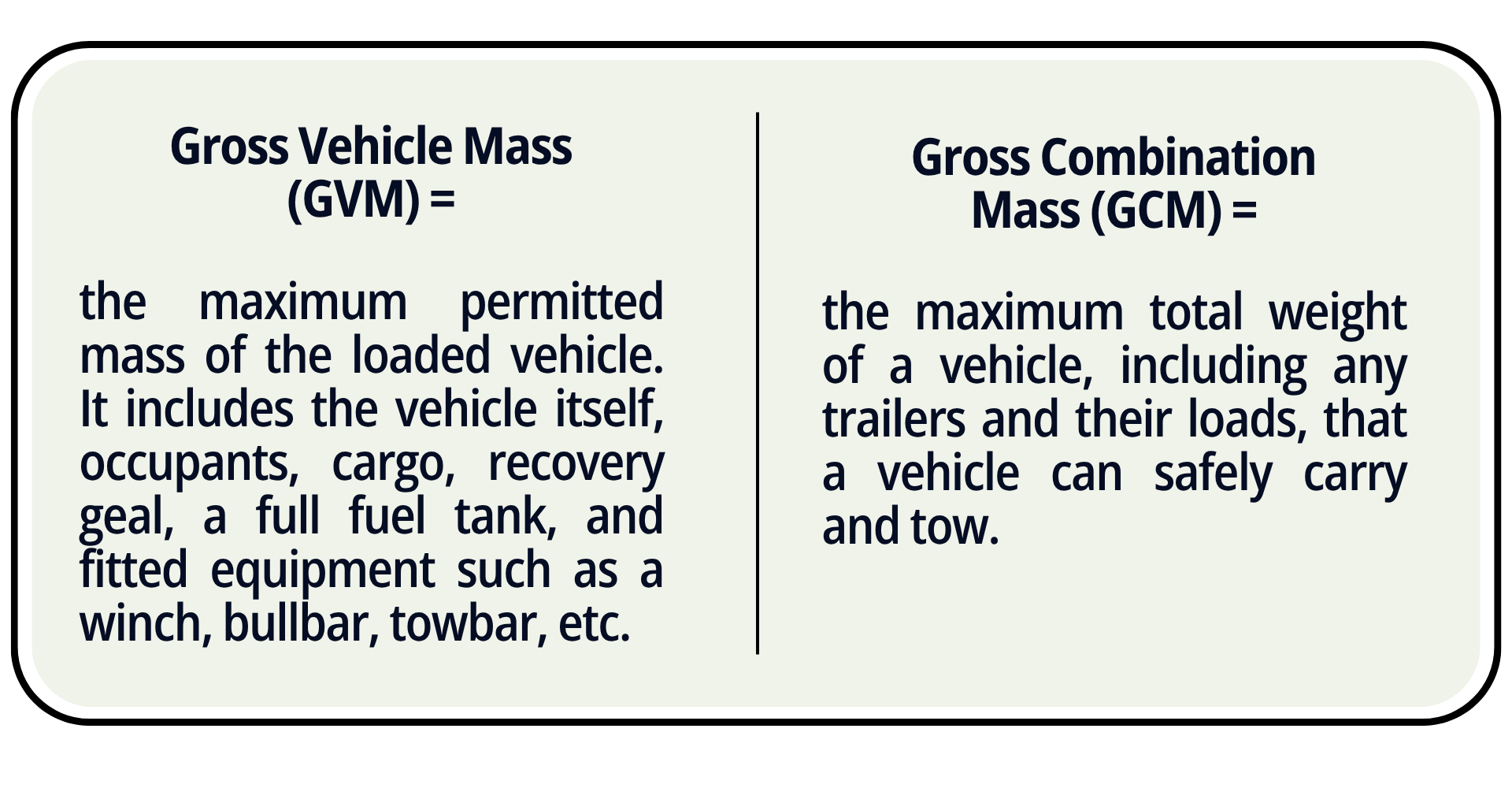

Because while brochure payload figures and tow ratings are a useful starting point, what matters is how much your specific vehicle can safely carry once your everyday gear is accounted for.
How do I find the GVM, GCM, and my cars current mass?
To figure out what your cars GVM or GCM is, you can look through the handbook and specifications for your exact vehicle and model year. Your cars limits can differ with cab, body, engine, drivetrain, seating, and grade. If your Ford has a certified GVM upgrade, find the documentation and check exactly which ratings it changes.

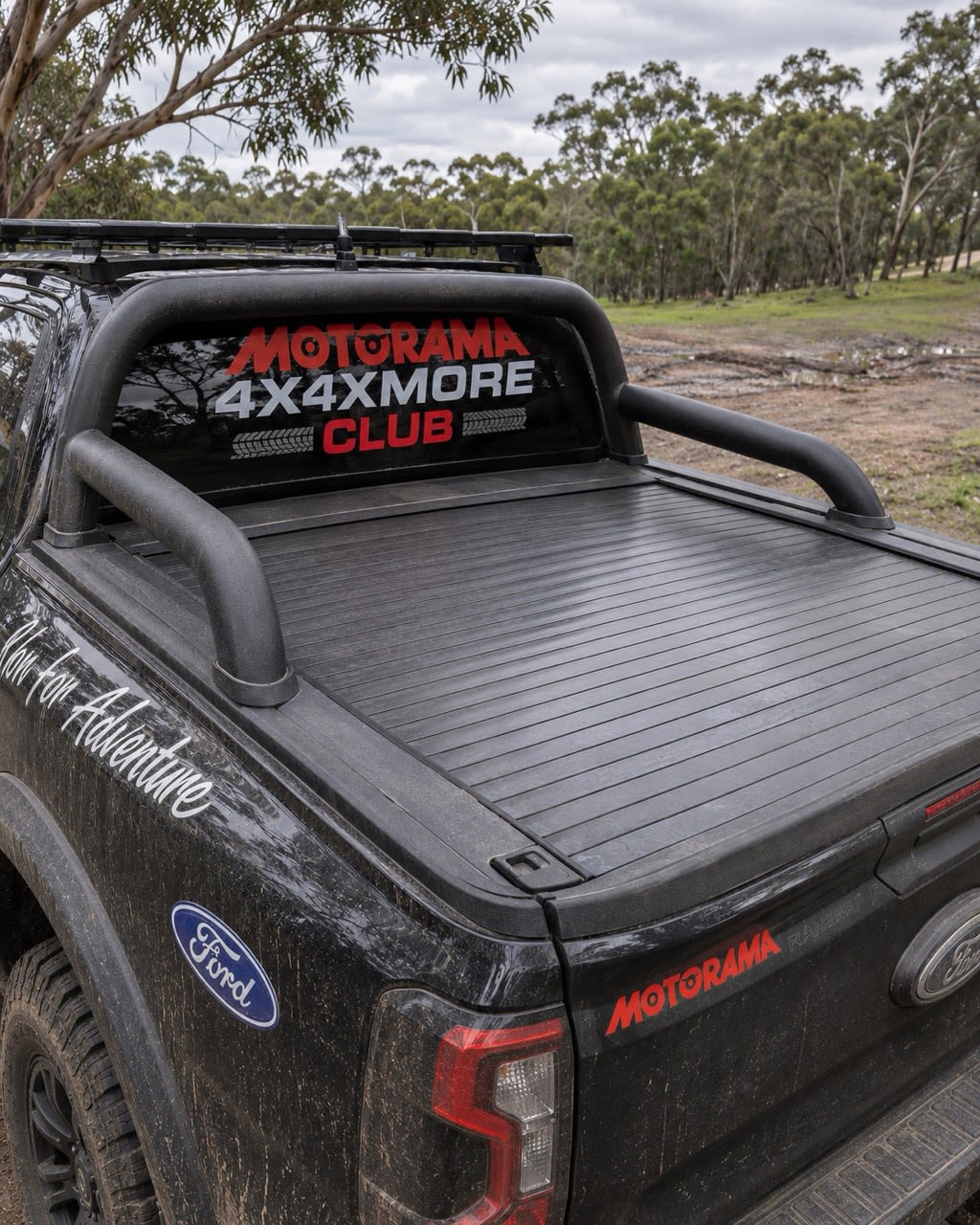
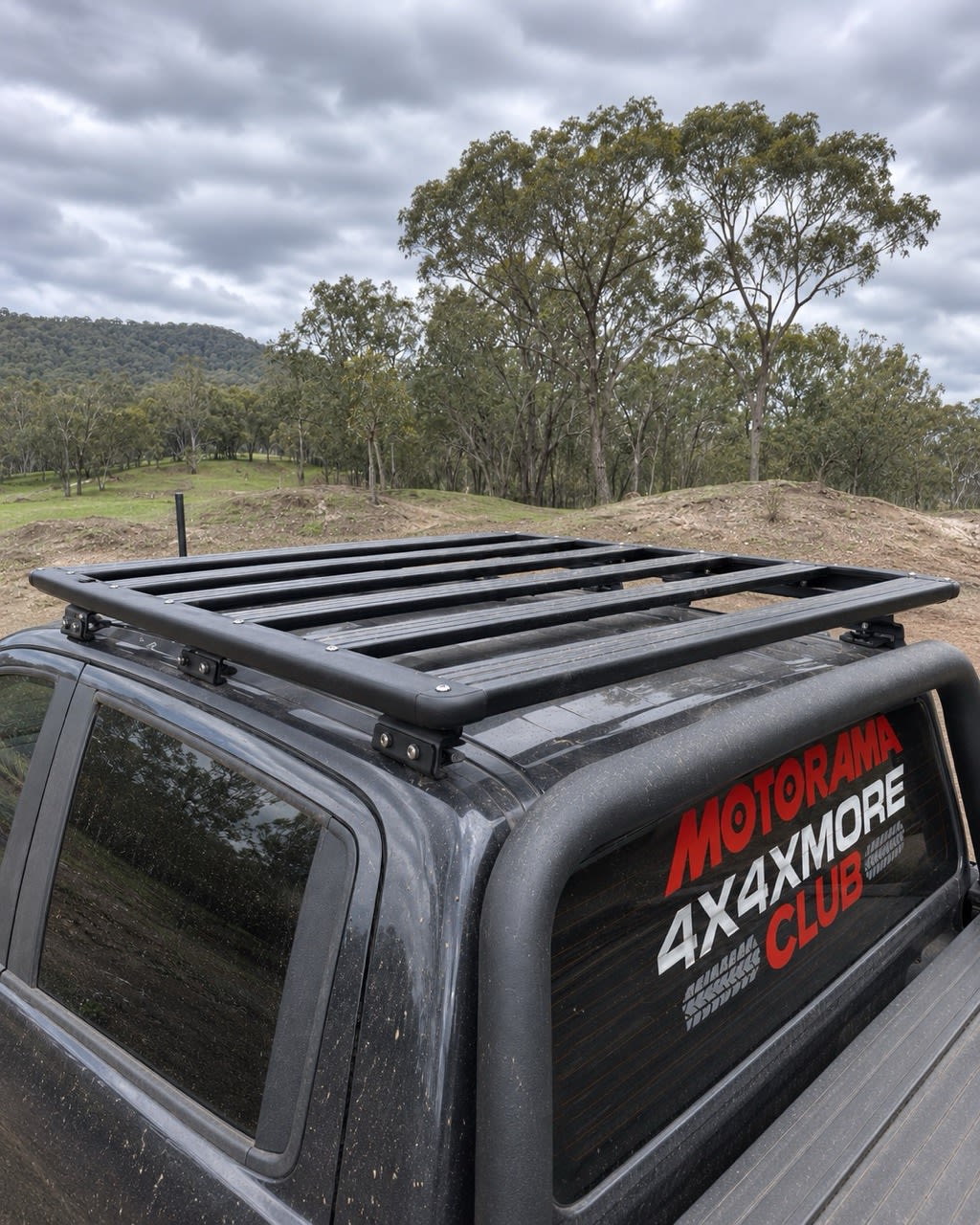

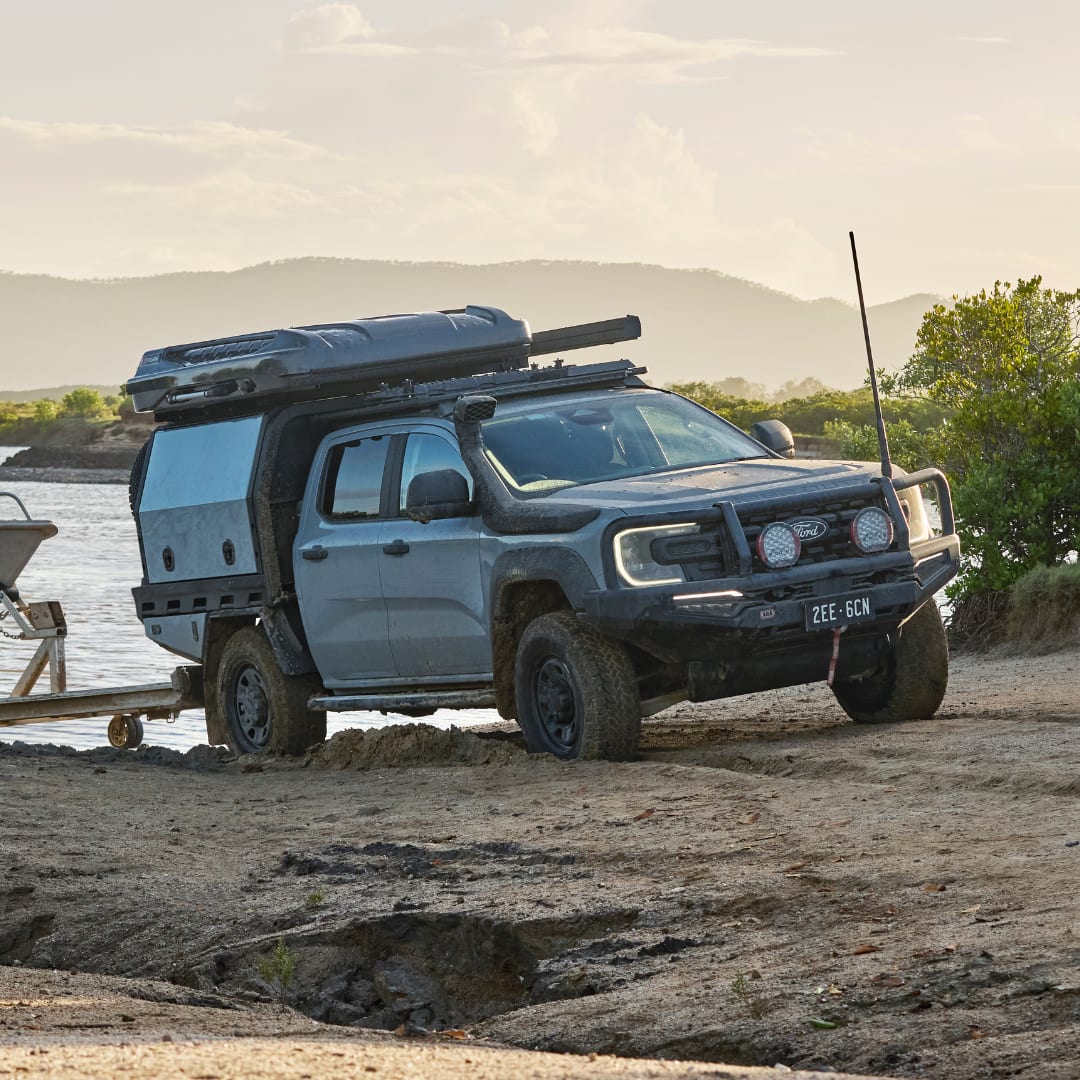
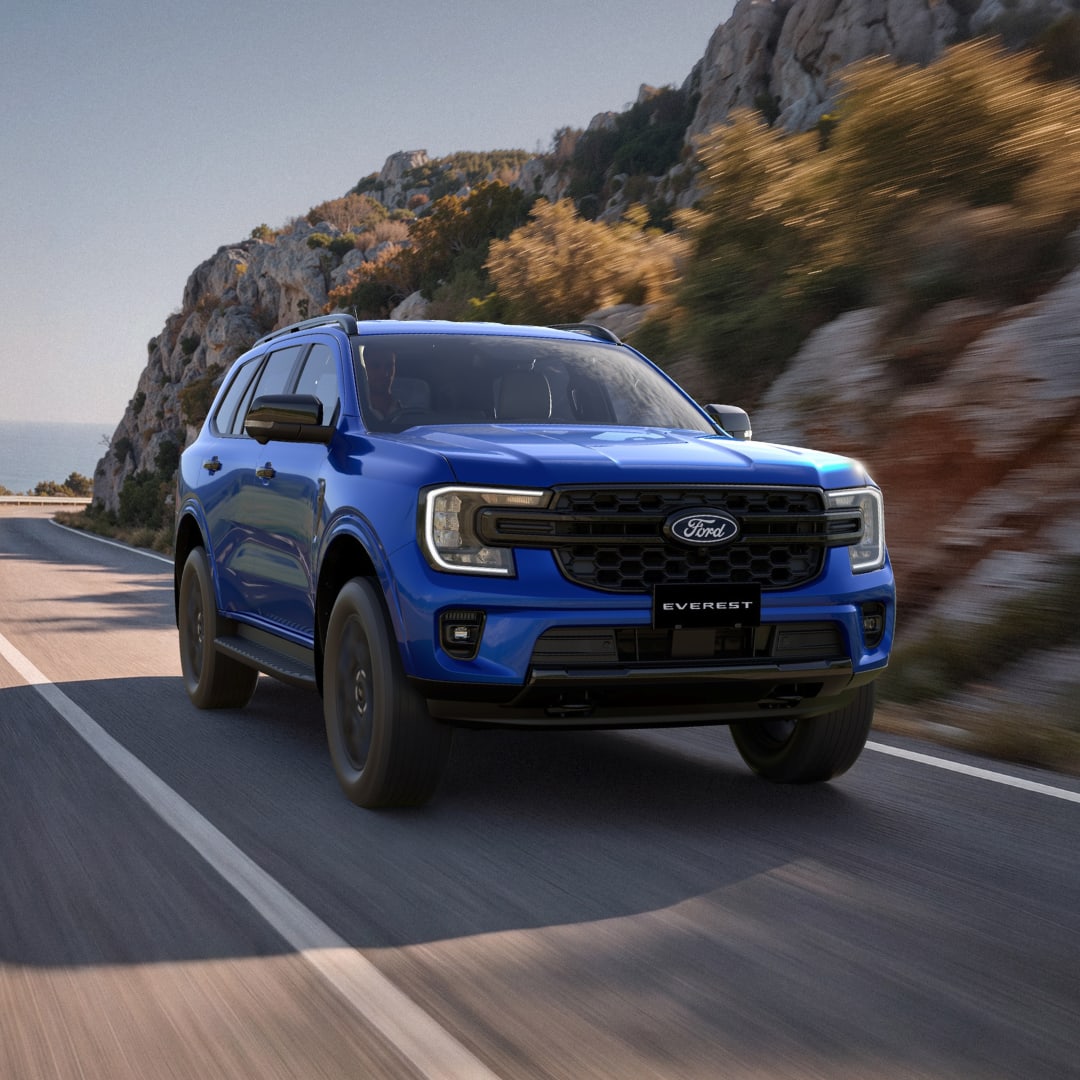
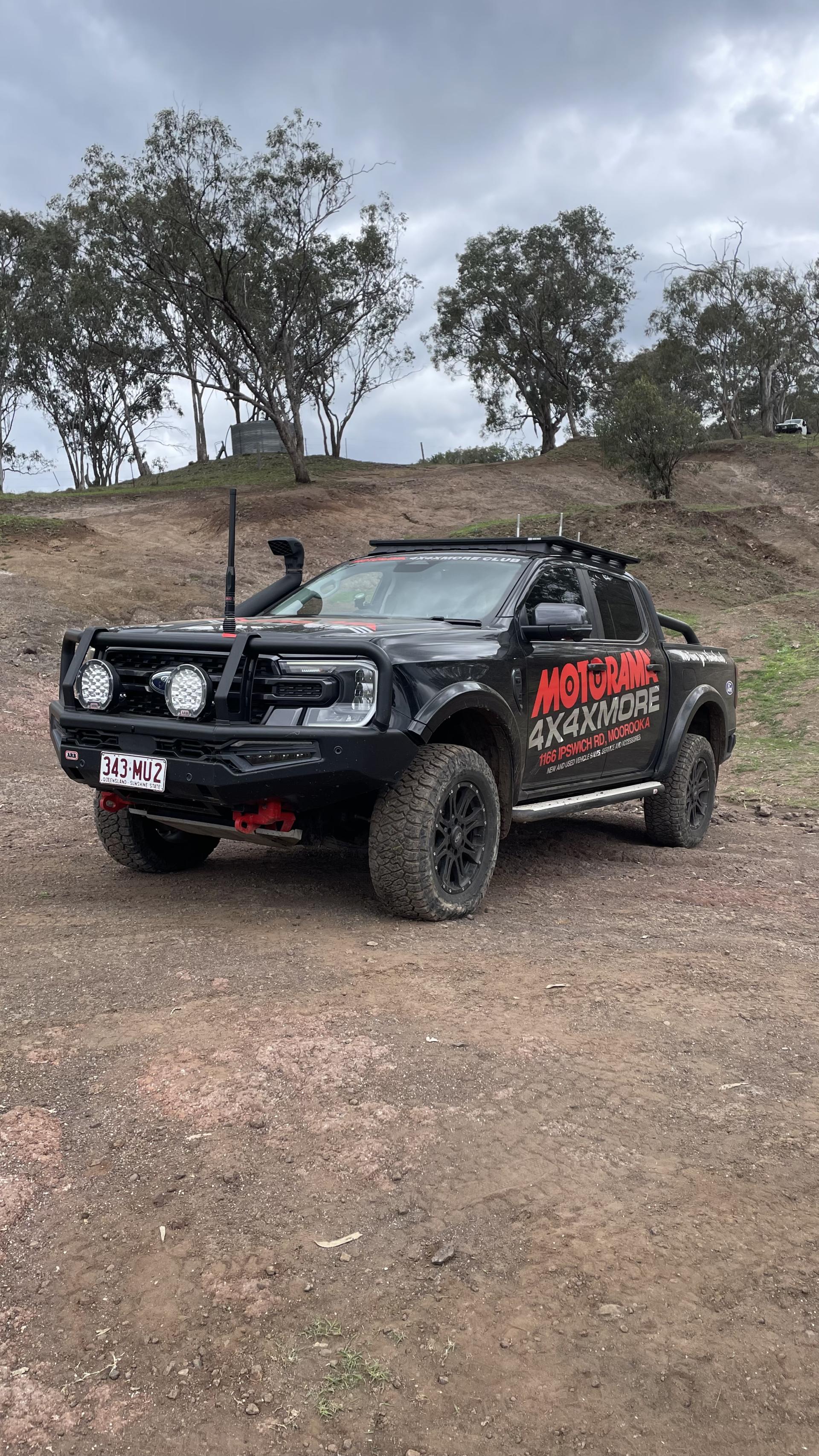
As for your cars current mass, a Ranger might carry a canopy and drawers in its tray every day and an Everest might have a cargo barrier, drawers or a fridge in the luggage area. Both can collect equipment gradually, until the “usual setup” is quite different from the vehicle described in a brochure. Creating a list of what is actually fitted or normally carried in yours can help you understand what’s aboard and affecting your payload.
You can also look into weighing your vehicle at a certified weighbridge to give you a real-world figure which can confirm your vehicle's current mass with certainty. Record the date, fuel level, who is aboard, the cargo and accessories present, and whether a trailer is connected. Ask the operator how to obtain total vehicle and separate front and rear axle readings for your setup.
Now that you've gotten a base measurement..
Don't forget to account for anything that may be added for trips later on. Such as luggage, food, tools, eskies, wood, passengers, etc.
So, what's left?
From here, you can figure out just how much payload is left with the following calculation:

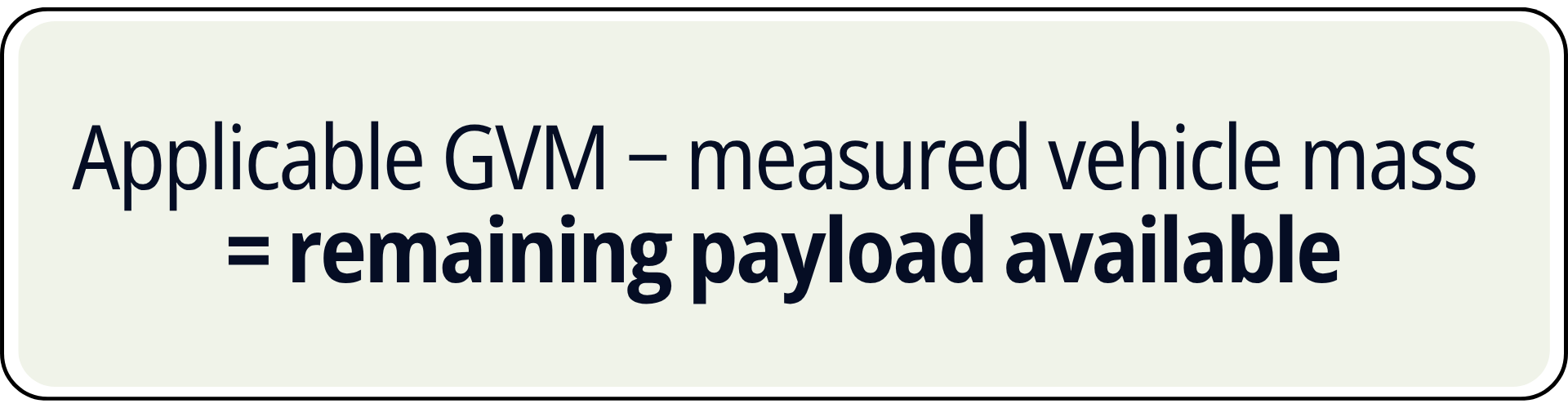
The number you're left with is how much additional weight your Ranger or Everest can carry before reaching its applicable GVM. For example, if your vehicle has a GVM of 3,200kg and a measured mass of 2,700kg, you've got 500kg of remaining payload. Add 200kg of passengers and 150kg of camping gear, and you're left with just 150kg.
Knowing your remaining payload helps you make smarter decisions about what you pack and how much your vehicle can safely carry.
What if my current mass goes over my vehicle's GVM?
If your vehicle's measured mass exceeds its applicable GVM, it's overloaded and shouldn't be driven in that condition. Exceeding your GVM can affect braking, handling and overall vehicle safety, while also putting you at risk of fines.
The best place to start is by removing unnecessary gear or accessories and weighing your vehicle again. If you're regularly exceeding your limits, you may need to reconsider your setup or speak with a qualified vehicle specialist about suitable, legally compliant options.