


The New EV Work Van: What Changes?
Posted in Ford News
The New Electric Work Van from $50K: What Does - and Does Not - Change
Going electric is one thing. Finding a work van that can keep up with your business is another. Whether you're navigating busy city streets, travelling between job sites or managing a full day of deliveries, your van needs to work just as hard as you do.
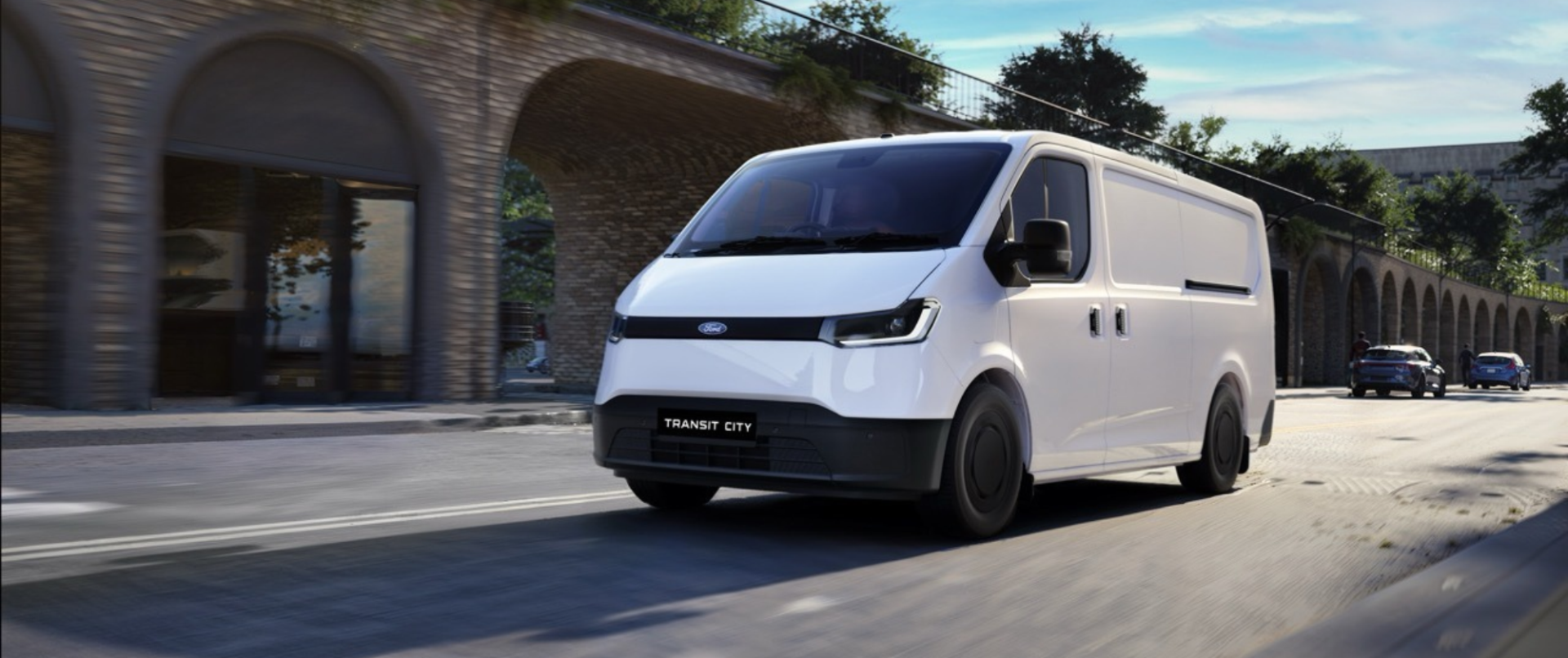
The new Ford Transit City brings electric driving into the everyday working world, combining the practicality businesses expect from a commercial van with a new approach to getting the job done. And with a current advertised offer starting from $50,000 driveaway, subject to eligibility and availability, making the switch to electric could be worth a closer look.
But what does going electric actually mean for your business? Let's explore what stays familiar, what changes and what you should consider before making the switch.
What Does the Transit City Offer?
6.4m³ Load Volume
What does this mean?
With up to 6.4m³ of load space, there's plenty of room to organise and transport your everyday work essentials. Whether you're carrying bulky equipment or managing multiple deliveries, the generous cargo area helps you make the most of every journey.
1,085kg Payload
What does this mean?
With a maximum payload of 1,085kg, the Transit City offers the carrying capacity to handle demanding workdays. From heavy equipment to building materials, it provides the flexibility to transport substantial loads without unnecessary extra trips.
Keep in mind that payload includes the driver, passengers, cargo and any fitted accessories or equipment.
Underfloor Battery Placement
What does this mean?
Making the switch to electric shouldn't mean compromising on practicality. By positioning the battery beneath the floor, the Transit City preserves its full 6.4m³ maximum load volume, allowing you to enjoy the benefits of electric driving without sacrificing valuable cargo space.
What Doesn't Change? It's Still Ready for Work.
Whether you're an electrician travelling between job sites, a courier delivering across Brisbane or a business owner transporting equipment, having the right space and carrying capacity can make a real difference to your working day.
Every business has different transport requirements. While the Transit City offers generous load space and payload capacity, additional fit-outs such as shelving, racking and other equipment can affect how much weight you can carry. Consider what a typical busy workday looks like for your business, including your heaviest loads, to determine whether the Transit City is the right fit.
What Changes? Let's Talk Kilometres.
With a petrol or diesel van, refuelling is usually a quick stop along the way. Going electric introduces a different way of planning your working day. With the Transit City, it's worth considering how far you typically travel, what you're carrying and where you'll be able to recharge. Powered by a 56kWh usable battery, the Transit City offers two different driving range figures, depending on the type of driving.
How Far Can It Go on a Single Charge?
Figures are based on WLTP testing. Actual driving range varies depending on vehicle load, driving conditions, weather and other factors.
Why the Difference?
Electric vehicles can be particularly efficient in stop-start city traffic. At lower speeds, they generally use less energy, while regenerative braking helps recover energy when slowing down.
For businesses regularly travelling through Brisbane's suburbs, this could make the Transit City an interesting option.
But what about real-world driving?
The advertised ranges are based on standardised WLTP testing, meaning they're a guide rather than a guarantee. Your actual range will depend on factors such as vehicle load, driving conditions, weather and air-conditioning use.
Before making the switch, consider your longest typical working day, rather than just your average commute. Allowing some extra range for unexpected jobs, detours or delays can help you plan with confidence.
What About Charging? Plug In, Power Up, Get Going.
One of the biggest changes when switching to an electric work van is how you refuel. Rather than visiting the servo, you could be charging while your business is closed for the day. For businesses with a workshop, depot or dedicated overnight parking, this could make charging a convenient part of the daily routine.
Two Ways to Recharge
Overnight Charging: Ready for the Morning Rush.
The Transit City supports AC charging, with Ford quoting approximately 8 hours to charge from 10–100% using 7.4kW AC charging, under specified conditions.
That means businesses with suitable charging facilities may be able to plug in at the end of the day and return to a charged vehicle the following morning.
Before installing a charger, however, it's worth checking whether your premises have sufficient electrical capacity, whether installation is possible and whether the vehicle will be parked long enough to recharge.
Businesses leasing their premises may also need approval from their landlord.
Keep in mind that the quoted charging time requires suitable charging equipment and doesn't apply to a standard household power point.
Need a Top-Up? Here's Where Fast Charging Comes In.
Of course, not every working day goes to plan. An unexpected delivery or last-minute job might mean travelling further than anticipated.
For those occasions, Transit City supports 87kW DC fast charging, with Ford quoting approximately 33 minutes to charge from 10–80% under specified conditions.
A planned charging stop during lunch or between appointments could be an option, provided a suitable charger is available.
Public charging does require a little more preparation. It's worth checking charger locations, accessibility for larger vehicles, availability and potential waiting times along your regular routes.
Actual charging speeds can also vary depending on the charger, battery temperature and state of charge.
Ultimately, the question isn't whether you'll need to recharge during the day, but whether charging can fit around the way your business operates.
Ford-quoted approximate charging times under specified conditions. Actual times may vary.
What About Running Costs?
For many business owners, the decision to go electric comes down to one important question: Will it cost less to run?
The answer depends on your business, particularly how far you travel, where you charge and what you're currently spending on fuel and maintenance.
Understanding Running Costs
Charging Costs
Charging overnight at your business premises
may have a different cost to using public fast
chargers, depending on your electricity tariff.
... see more
Charging overnight at your business premises
may have a different cost to using public fast
chargers, depending on your electricity tariff.
Businesses with predictable schedules and
access to suitable charging facilities may
have more control over when and how they
recharge.
Charging overnight at your business premises may have a different cost to using public fast chargers, depending on your electricity tariff. Businesses with predictable schedules and access to suitable charging facilities may have more control over when and how they recharge.
Maintenance Costs
Electric vehicles have different maintenance
requirements from petrol and diesel vehicles.
... see more
Electric vehicles have different maintenance
requirements from petrol and diesel vehicles.
Without a conventional combustion engine,
there's no need for engine oil changes or
exhaust after-treatment maintenance.
However, components such as tyres, brakes,
suspension, cooling systems and air-conditioning
still require regular attention. In other words,
electric doesn't mean maintenance-free.
Electric vehicles have different maintenance requirements from petrol and diesel vehicles.
Without a conventional combustion engine, there's no need for engine oil changes or exhaust after-treatment maintenance. However, components such as tyres, brakes, suspension, cooling systems and air-conditioning still require regular attention. In other words, electric doesn't mean maintenance-free.
Total Operating Costs
Rather than focusing on fuel or electricity
costs alone, it's worth comparing the total
cost of operating your current van against
the Transit City.
... see more
Rather than focusing on fuel or electricity
costs alone, it's worth comparing the total
cost of operating your current van against
the Transit City.
Consider your annual kilometres, real-world
energy consumption, electricity rates,
charger installation, servicing, insurance,
tyres, purchase costs and any downtime
associated with charging.
The most useful comparison is one based on
your actual operating requirements, rather
than a general savings estimate.
Rather than focusing on fuel or electricity costs alone, it's worth comparing the total cost of operating your current van against the Transit City.
Consider your annual kilometres, real-world energy consumption, electricity rates, charger installation, servicing, insurance, tyres, purchase costs and any downtime associated with charging.
The most useful comparison is one based on your actual operating requirements, rather than a general savings estimate.
So, is the Transit City Right for Your Business? Let's Find Out.
Every business has different needs, and finding the right work van comes down to how well it fits your daily operations.
For businesses with predictable routes around Brisbane, regular access to overnight charging and mostly metropolitan travel, the Transit City could be a great option. However, those covering longer regional distances or relying on heavier loads may need to take a closer look at their requirements.


An Electric Work Van from $50K? Now We're Talking.
With the new Ford Transit City currently advertised from $50,000 driveaway, there's another reason to consider making the switch.
Whether you're looking to update your current work vehicle or explore electric for the first time, this limited-time offer could make now a great opportunity to see what the Transit City has to offer.
Ready to explore your options?
Speak with the team at Motorama Ford about your business needs, typical routes and charging arrangements. We can help you assess whether the Transit City is a suitable fit and explore your purchasing options.
Need a Custom Fit-Out?
Every business uses its van differently. An electrician might need specialised shelving, while a mobile technician could require secure storage for tools and equipment.
Ford Pro Convertors can help businesses explore commercial fit-out solutions tailored to their requirements.
Just remember that any modifications should be assessed for their dimensions, weight and compatibility with the vehicle before ordering.
Five FAQs
1. How far can the Ford Transit City travel on a full charge?
Ford quotes a WLTP combined range of 254km and a WLTP city range of 380km. Actual driving range varies depending on payload, driving conditions, weather, speed and vehicle use. These figures should be used as a starting point when assessing your regular routes.
2. How much payload can Transit City carry?
Transit City offers a maximum payload of 1,085kg. Actual available payload must account for the driver, passengers, shelving, accessories, tools and other equipment. Businesses should calculate their fully loaded vehicle weight before selecting a fit-out.
3. Can Ford Transit City charge overnight at my business premises?
Yes, provided suitable charging equipment and electrical supply are available. Ford quotes approximately eight hours to charge from 10–100% using 7.4kW AC charging under specified conditions. Installation feasibility, charging time and electricity costs will depend on your premises.
4. Is Transit City cheaper to run than a diesel van?
It may offer lower costs in certain areas, but savings aren't guaranteed. Electricity tariffs, charging locations, annual kilometres, maintenance, insurance and charging infrastructure all influence total operating costs. Comparing your existing van's expenses against a realistic Transit City operating scenario is the best approach.
5. Is the $50,000 driveaway offer available to every buyer?
No. The advertised from $50,000 driveaway price is subject to eligibility, participating-dealer requirements, stock availability and offer terms. The supplied offer information lists an expiry of 31 December 2026, subject to change. Confirm the latest offer and Motorama Ford's participation before relying on the price.